







Expertise · Energy efficiency
Less energy, less waste.
Energy, water and material balances, renewable energy, help with grants: PBE Expert makes facilities leaner. With GreenTech, Groupe PBE is also developing the green technologies of tomorrow.
The issue
Yesterday’s energy is no longer enough.
 01
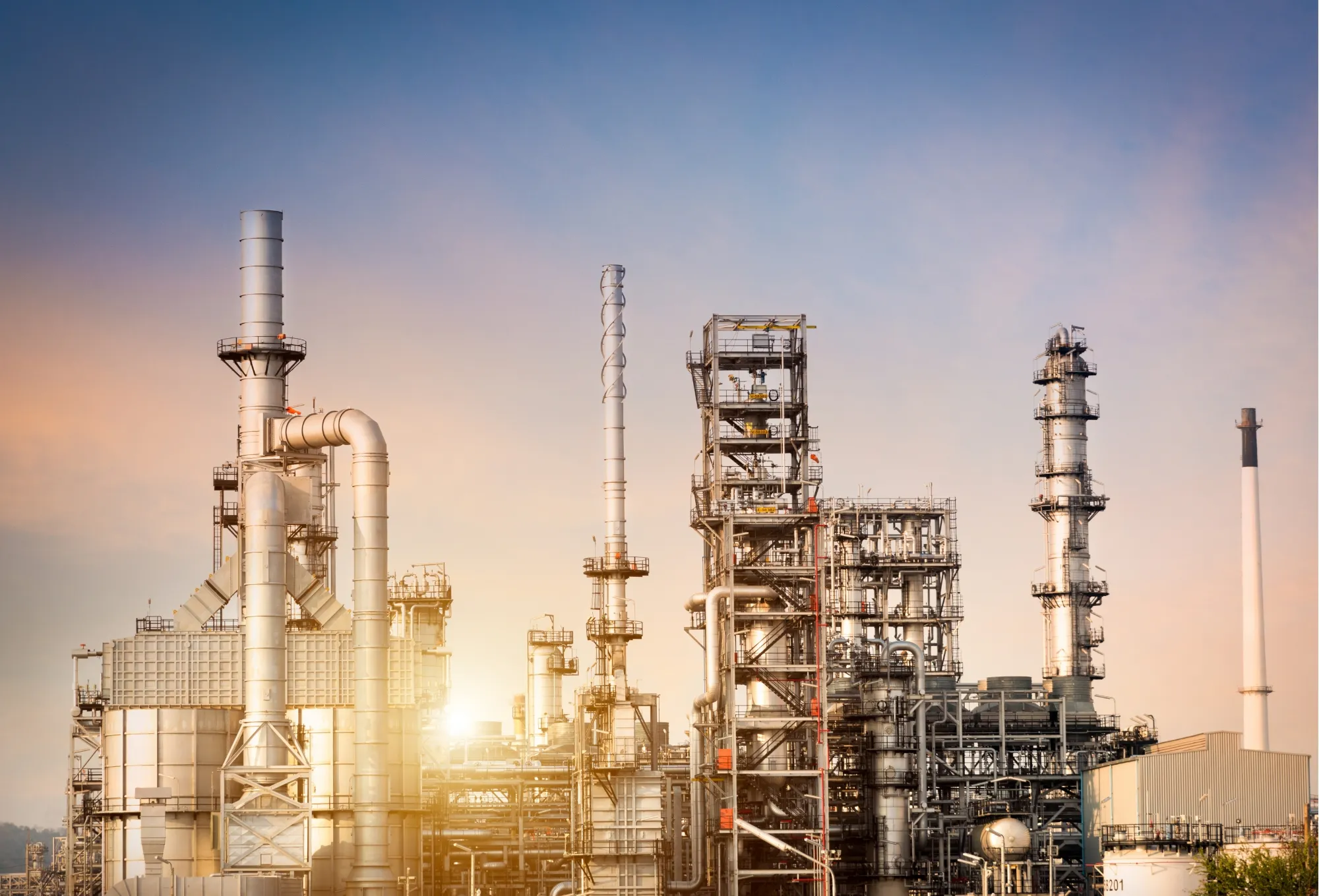
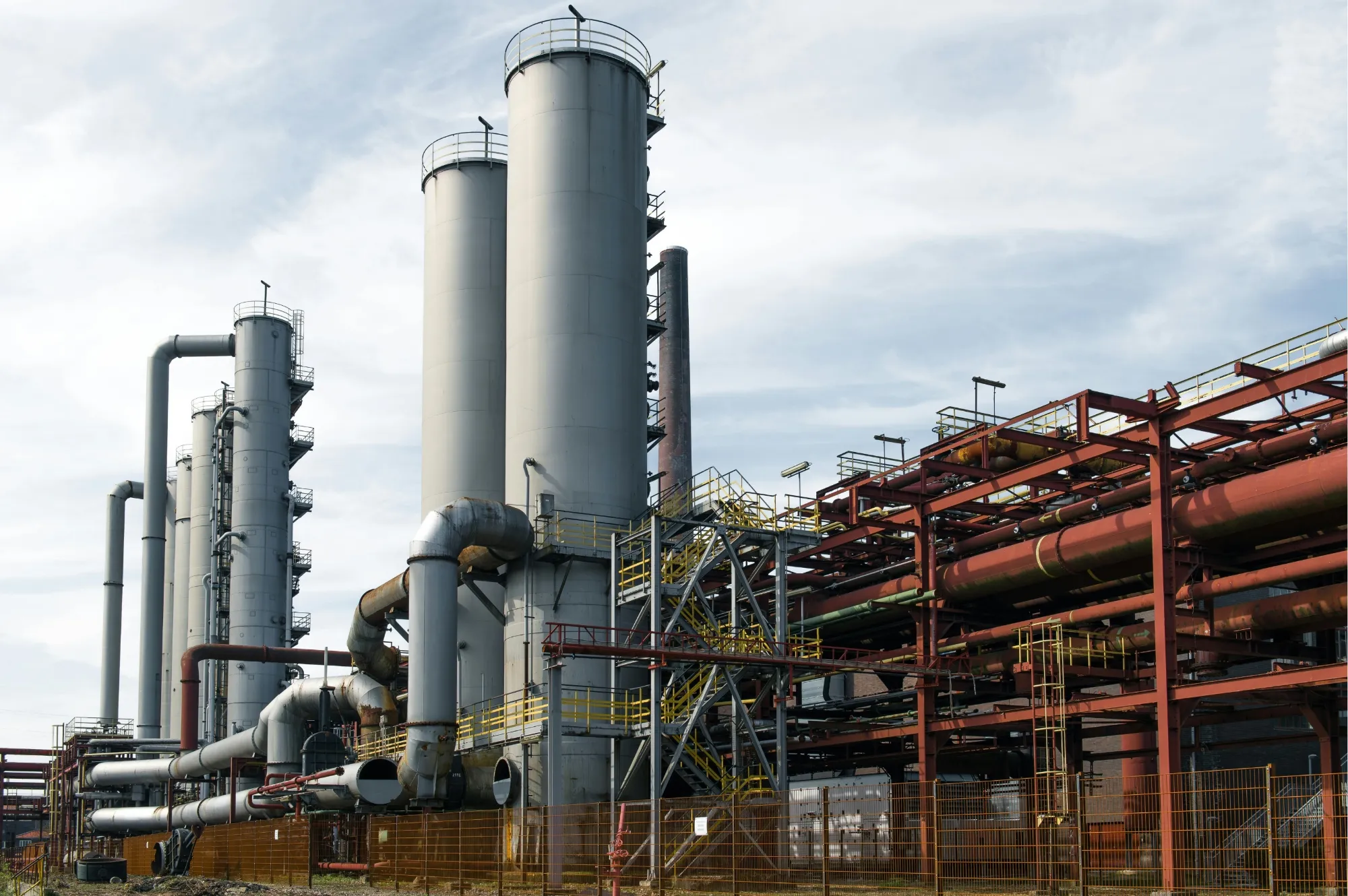
Fossil fuels
They emit huge quantities of greenhouse gases and pollute the air and water.
 02
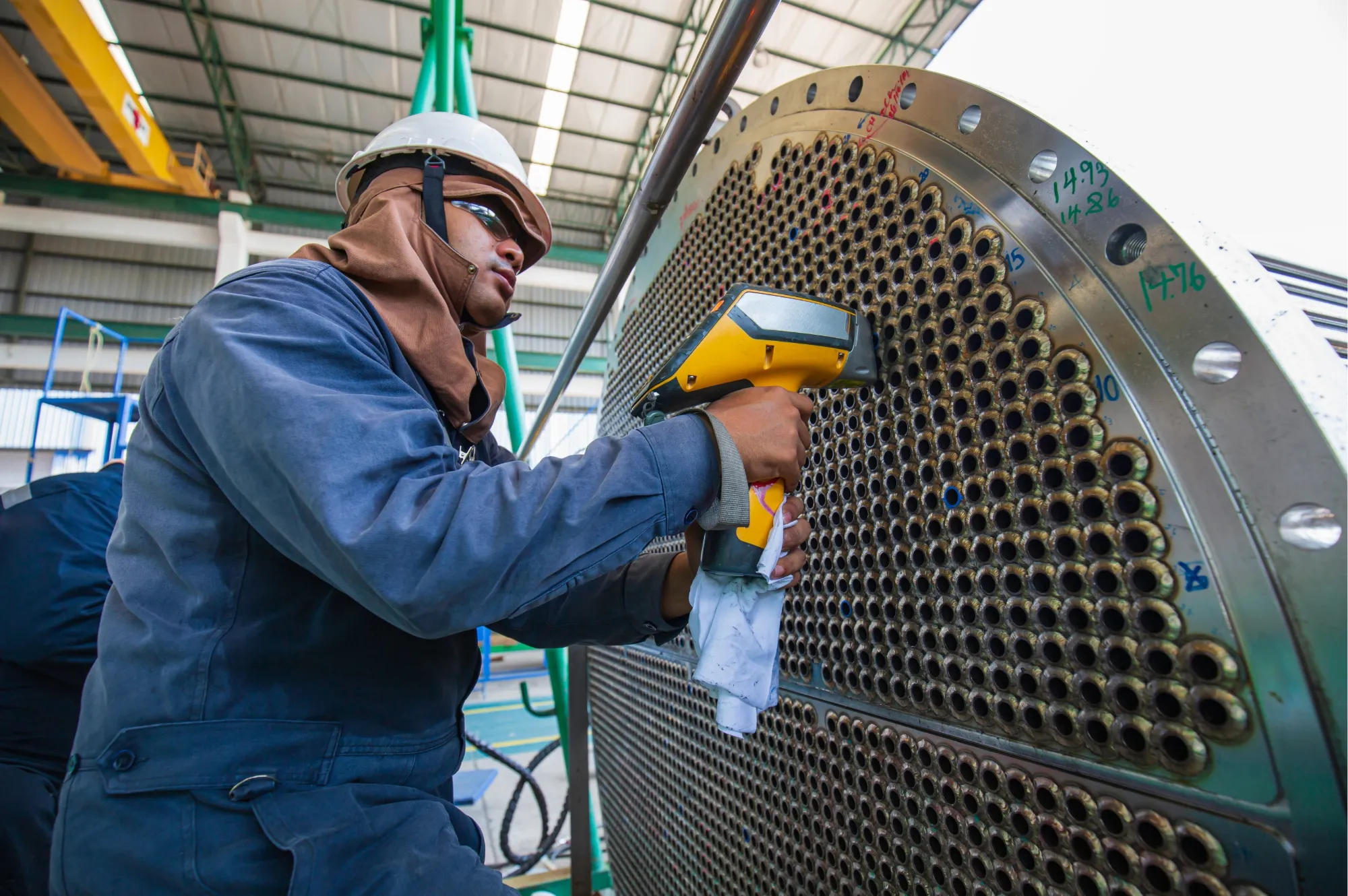
Power generation
Still heavily dependent on coal, oil and natural gas.
 03
Act now
Every action counts: measure, reduce, then replace with renewable energy.
PBE Expert · Energy, water and material balance
What goes in, what gets lost.
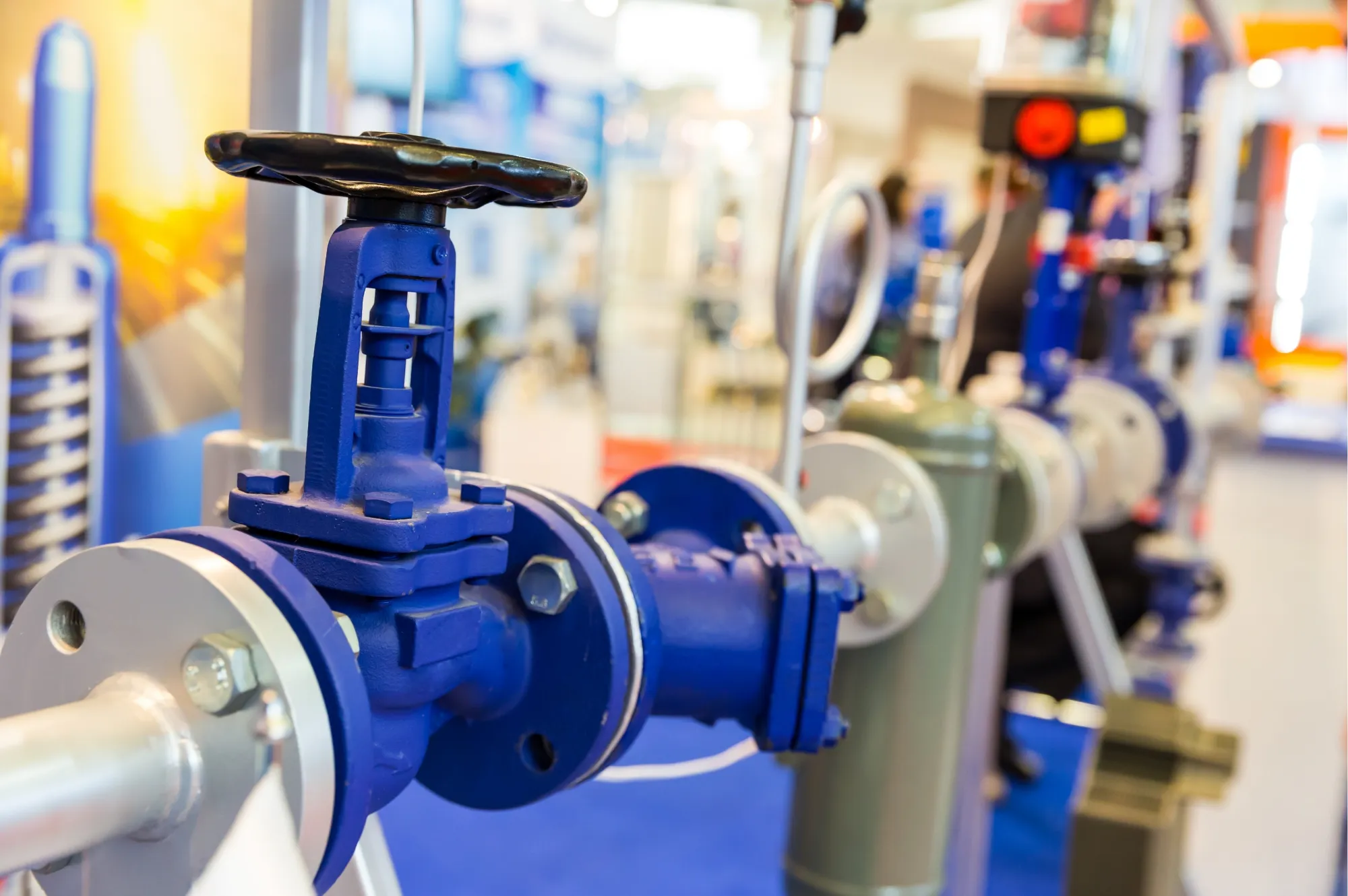
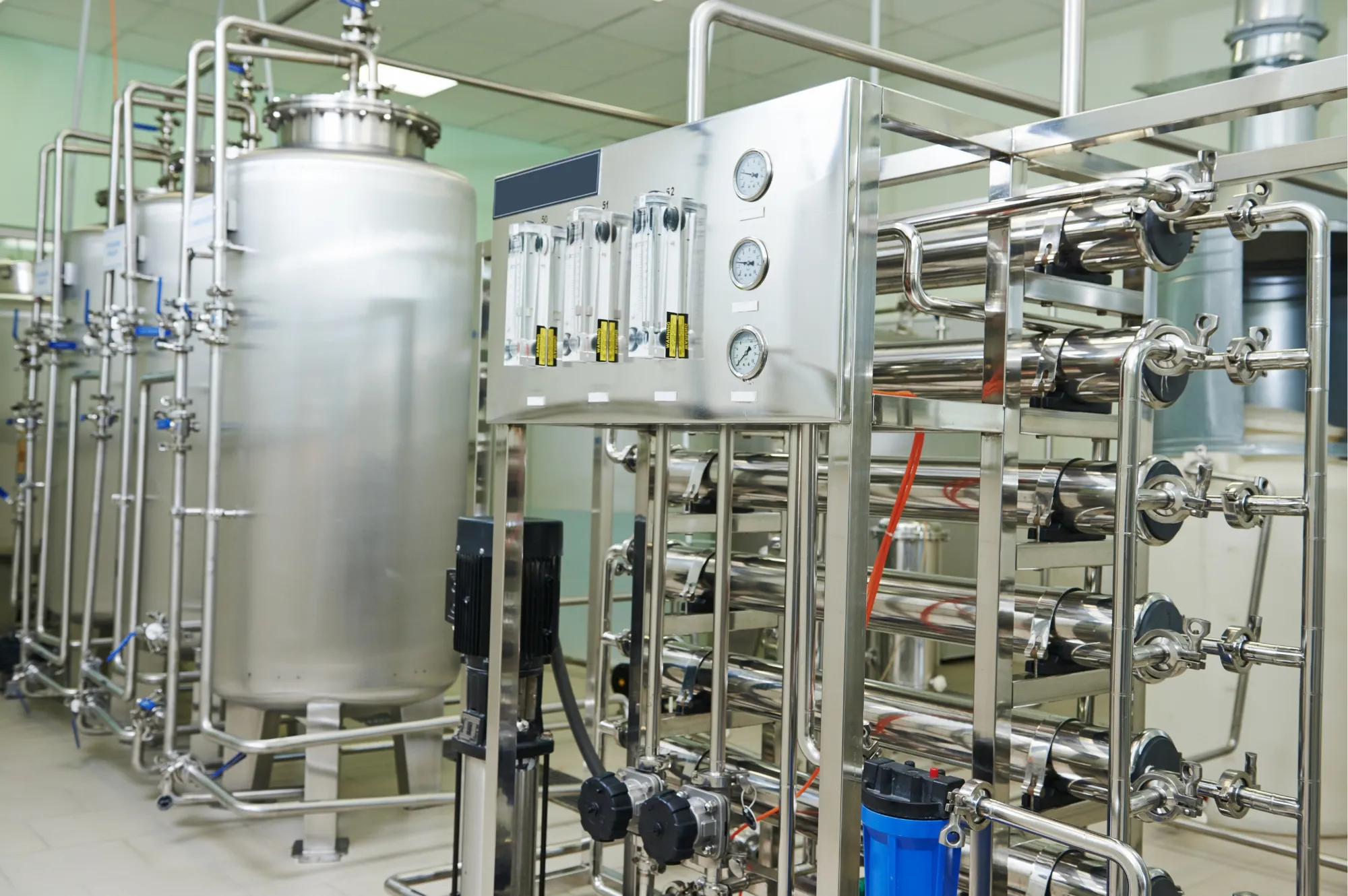
A balance shows where energy, water and materials are lost. Optimizing means reducing losses, recovering heat and bringing in renewable energy.
What we offer
Four levers, one team.
- 01
ISO 50001 and grants
Compliance with the ISO 50001 standard, and help with Hydro-Québec and Technoclimat grants.
- 02
Energy, water and material balances
Measuring what the facility consumes and discharges, then optimizing it.
- 03
Renewable energy
Integrating renewable energy, including trigeneration.
- 04
Processes and operating costs
Optimizing processes to reduce operating costs.
Standards and funding
Use energy better, with support.
- StandardISO 50001
The energy management system standard: we support your compliance.
- GrantsHydro-Québec
We help you put together funding applications for your energy efficiency projects.
- GrantsTechnoclimat
For technologies and projects that reduce greenhouse gas emissions.
Our environmental responsibility
Eight commitments, one closed loop.
Our industries, from pharmaceuticals to fine chemicals, have an impact on the environment: we make it part of our strategy, for our clients and for ourselves.
- 1
E-waste, OTE-CBRN and GHGs
Reducing, reusing and recycling electronic devices; guiding our clients toward responsible practices that cut greenhouse gases.
- 2
Biomass and renewable energy
Designing efficient biomass recovery systems with our clients, to depend less on non-renewable resources.
- 3
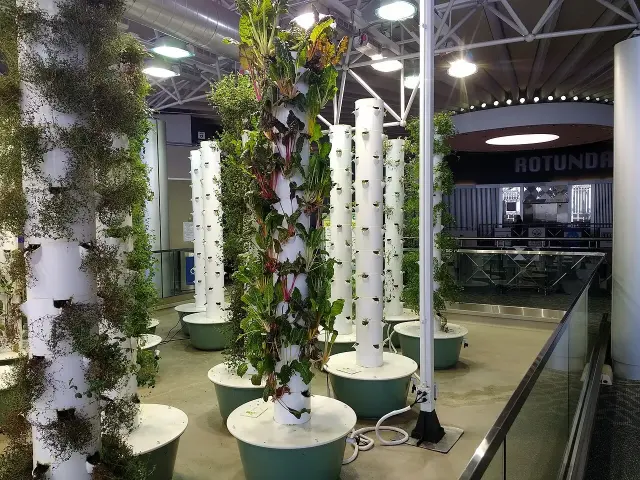
Vertical farming and greenhouses
Compact, eco-friendly systems that increase yield while reducing water use and carbon emissions.
- 4
Aquaponics and closed loops
Systems that recycle and reuse resources, at the heart of our model: less waste, more efficiency.
- 5
Reducing our carbon footprint
Optimizing the way we deliver projects, and favoring renewable energy whenever possible.
- 6
Energy efficiency
Strategies that improve our clients’ operations by reducing their consumption, and measures in our own offices.
- 7
Sustainable practices
Encouraging our clients and partners to adopt sustainable practices, and looking for eco-friendly solutions for ourselves.
- 8
Training and awareness
Regularly training our team in good environmental practices, at work and at home.
“It’s never too late to make a difference, but today is better than tomorrow.”
Groupe PBE · GreenTech and GreeNRG
From the lab to industrial scale.
GreenTech, Groupe PBE’s energy and equipment company, and GreeNRG, its energy and AI division, take green technologies from lab results to industrial solutions. GreenTech’s website will be linked here as soon as it goes live.
- 01The idea
A concept, a process or a technology to be proven.
- 02The R&D laboratory
Developing and refining the technology at lab scale.
- 03The pilot
Testing it at pilot scale, in GreenTech’s warehouse.
- 04Industrial scale
Moving into production, with highly qualified staff.
AI
- Optimize energy use and yield.
- Monitor in real time and automate, to reduce waste.
- Predict environmental impacts, to reduce them.
In our R&D laboratories
Every technology is developed here at lab and pilot scale, then tested and proven before industrial production.
- DesignProcesses, user requirements (URS), project management, equipment procurement, installation and fine-tuning, in a controlled environment.
- Explosion-proofProcesses involving flammable materials and gases: explosion risk analysis and HAZOP, to OSHA, HSE, ATEX and NFPA standards.
- TestingAt lab, pilot and commercial scale: tanks, facilities and control systems, with AI-driven data analysis.
- OptimizationRefining each technology so that it is efficient, low-impact and viable in industrial production.
- Cutting-edge researchNew AI-driven energy solutions, bridging laboratory research and industry.
- Qualified staffScientists, engineers and researchers equipped with advanced tools and AI.
Commercialization: finding funding, protecting intellectual property (patents, copyright) and taking the technology to industrial scale, with our clients and partners.
- Green hydrogen
- Zero greenhouse gases
- Carbon capture
- Biomass and biochar
- Battery recycling
- Tire pyrolysis
- End-of-life electric vehicles
- OTE-CBRN waste
- Water desalination
- Smart greenhouse
- Circular economy
- AI01
Green hydrogen
Producing hydrogen with wind and solar energy rather than grid electricity, for a clean energy cycle.
- AI02
Zero greenhouse gases
Natural gas and green energy solutions, including wind and solar, working toward a zero greenhouse gas footprint.
- AI03
Carbon capture
Fueling thermal power plants with biomass: the carbon absorbed by the biomass forms a closed loop, with no net emissions.
- AI04
Biomass and biochar
Converting biomass into biochar through green microwave pyrolysis: soil amendment, carbon sequestration and an energy source.
- AI05
Battery recycling
Recovering and purifying metals from spent batteries through green microwave pyrolysis.
- AI06
Tire pyrolysis
Breaking down used tires without oxygen to produce industrial oil and fuel gas.
- AI07
End-of-life electric vehicles
Turning electric vehicle waste into oil, metals and plastics through microwave pyrolysis.
- AI08
OTE-CBRN waste
Removing harmful waste and turning it into value-added products, notably for pharmaceuticals and bioplastics.
- AI09
Water desalination
Producing fresh water with unconventional energy sources, for desalination in line with environmental goals.
- AI10
Smart greenhouse
A fully automated greenhouse with mobile vertical farming: AI adjusts temperature, humidity, light and nutrients.
- AI11
Circular economy
Designing for reuse, refurbishment and recycling: AI tracks materials throughout their life cycle.
GreeNRG · Our projects in detail
Seven projects, sheet by sheet.
The process, products, benefits, technology readiness level (TRL) and location of each project by GreeNRG, the energy and AI division of GreenTech.
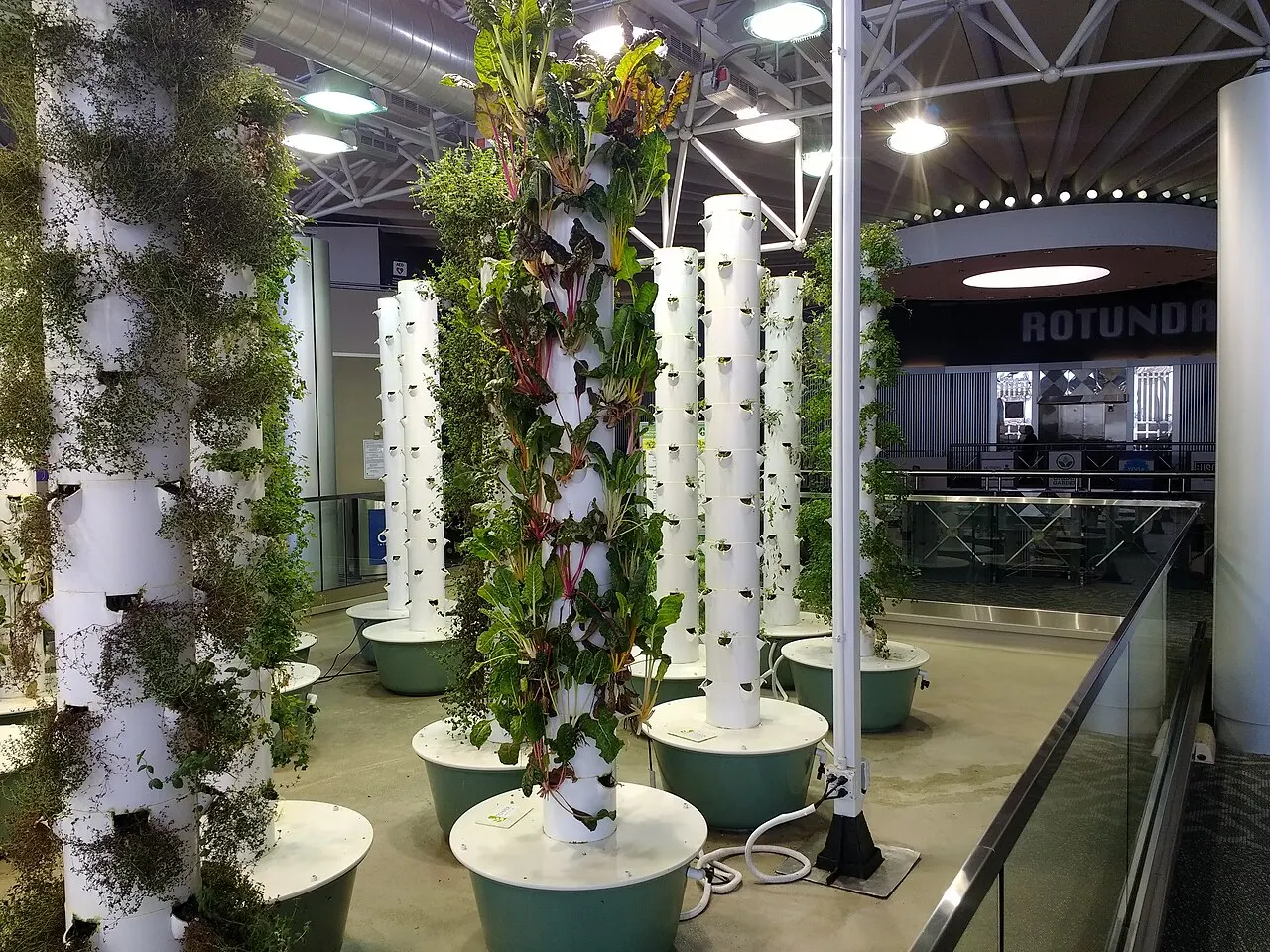
- 14 ftplant height after 5 weeks, in aeroponics
- 100 kgof tomatoes per linear meter in 5 weeks
- 3×more harvests per year
- +50%longer shelf life
Water and agriculture
Smart greenhouse and MVRS
A fully automated greenhouse that bridges indoor and outdoor growing: mobile vertical farming on several levels, with AI adjusting temperature, humidity, light and nutrients for autonomous operation.
- InputsSuper-oxygenated water, LED light, CO₂
- ProcessAI-driven vertical aeroponic growing
- ProductsVegetables, extracts and oils
- Process
- Vertical hydroponic or aeroponic growing, up to four tiers, on mobile racking (MVRS); robots, drones, algorithms and digitalization; control of critical process parameters (irrigation) and environmental parameters (HVAC).
- The project
- Aeroponic growing and super-oxygenated water; closed-loop aquaponics linked to the greenhouses; self-supporting glass dome; wastewater treatment and recycling; VOC and odor removal; bioethanol and biodiesel production; extraction of oils and active ingredients; fish production and packaging.
- Benefits
- Higher productivity, yield and growing area; sustainable (local consumption, precision agriculture, green energy); fewer diseases, insects and molds; lower labor and operating costs.
- What the AI controls
- LED light spectrum and intensity; temperature, VPD and day-night cycles; humidity (dew point, RH); nutrients and fertilizers; pH, CO₂, O₂ and water super-oxygenation; additives (Ca, K); weeds; HVAC, humidifiers and automation; pests, molds and diseases; sensor data (Internet of Things and plants) and digital twin.
- Challenges addressed
- Climatic and psychrometric conditions; biofilms, bacteria, fungi and molds; hot, dry and arid climates; water scarcity and evaporation; energy and water costs; multi-level growing; excavation 5 to 8 feet below the frost line.
- Maturity
- Quebec: TRL 1–3; Manitoba: TRL 4–7.
- Location
- Laval (warehouse available) and Manitoba.
Reported results for the super-oxygenated water technology used in the project (one billion nanobubbles per milliliter, 50–250 ppm of dissolved oxygen): roots over 1.2 m long, at least 30% more fruit or vegetables per plant, three times the nutritional value, growing possible in arid conditions above 50 °C, and plants reused for 2.5 years (90%).
- 200 kWof clean electricity
- 24 ha day, without depending on sun or wind
- 3international awards
Green energy
Green magnetic energy
Generating clean electricity from gravitational and magnetic energy, continuously, with no geographic or climate constraints.
- InputsGravitational and magnetic energy
- ProcessPatented generator
- ProductElectricity, 200 kW
- Raw materials
- Gravitational energy and magnetic energy.
- Process
- Patented by a Moroccan partner; award-winning at competitions in Tokyo, Geneva and Kuwait, including the Grand Prix of the 38th World Genius Convention in Japan.
- Product
- Electricity: 200 kW.
- Benefits
- Clean energy; no geographic or climate constraints; can power large cities and industrial parks; continuous operation.
- Maturity
- TRL 6–9: a prototype to be scaled up to pre-commercial level, with AI and data collection. The patent is to be extended to North America, Europe and Asia.
- Location
- Laval (warehouse available) and Morocco.
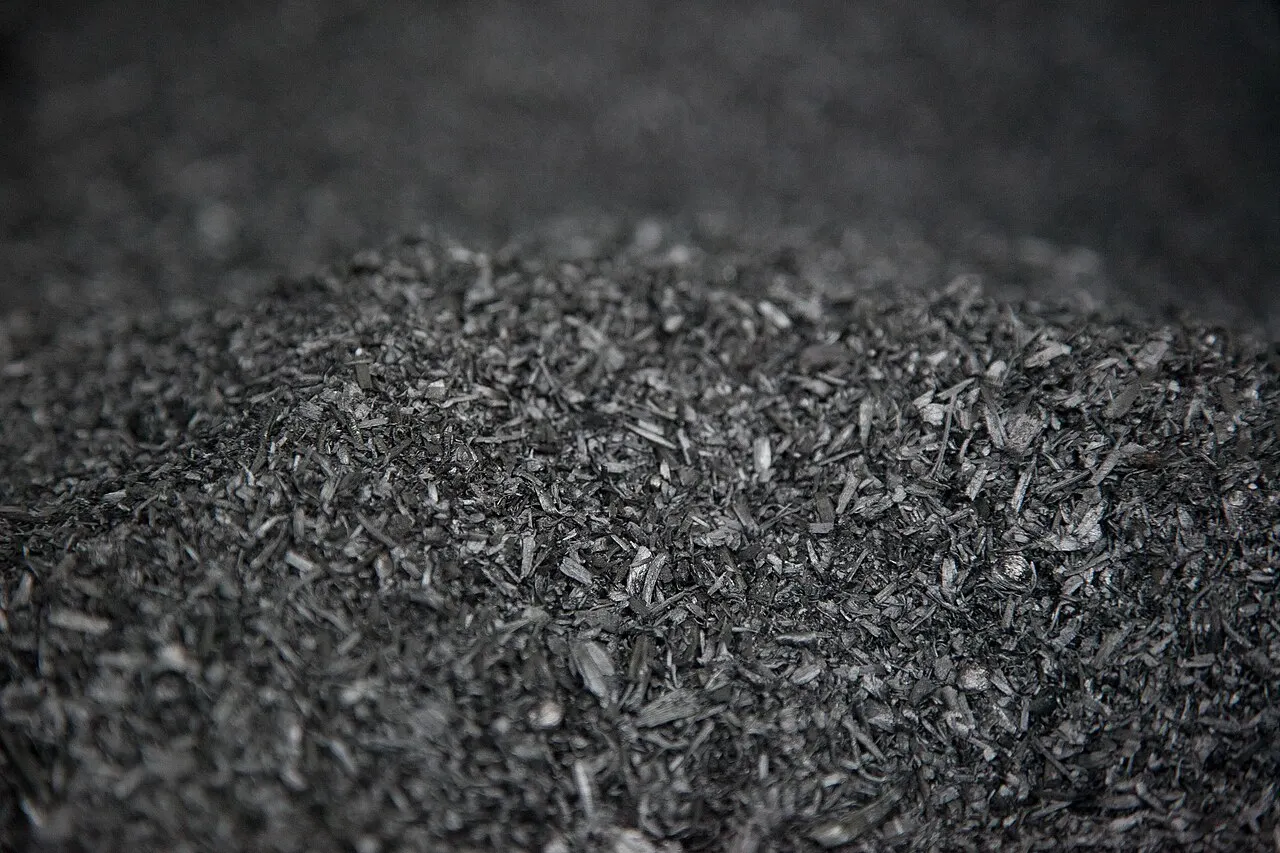
- 3products: biochar, bio-oil, gas
- 0oxygen during pyrolysis
Waste recovery
Biomass and biochar
Turning biomass into biochar through green, AI-optimized microwave pyrolysis: less waste, and a biochar that serves soils, carbon sequestration and energy.
- InputsHemp, wood and agricultural waste
- ProcessMicrowave pyrolysis, without oxygen
- ProductsBiochar, bio-oil and gas
- Raw materials
- Hemp, wood and agricultural waste.
- Process
- AI-assisted microwave pyrolysis, without oxygen; gas cleaning, bio-oil purification, activated biochar.
- Products
- Biochar, bio-oil and fuel gases.
- Applications
- Agriculture, environment, waste management and energy.
- Benefits
- Energy, soil improvement, renewable energy, better water quality.
- The system
- Microwave cavity, quartz reactor, waveguide, magnetron, fuzzy logic computer, power controller, infrared thermometer, gas flowmeter, tar and gas collection, bio-oil condensation, gas cleaning.
- Microwave vs. conventional heating
- Fast, targeted, contactless and selective heating; instant shutdown; simple, safe and automated operation; more efficient, since nothing is lost to the surroundings; biochar of uniform size and round shape. On the downside, a lower biochar yield than conventional pyrolysis at the same temperature.
- Maturity
- TRL 4–7: test facility and data collection for AI.
- Location
- Laval (warehouse available).
- 550–700 °Cpyrolysis temperature
- 20–25 kWmicrowave power
- 3products: steel, biochar, oils
Waste recovery
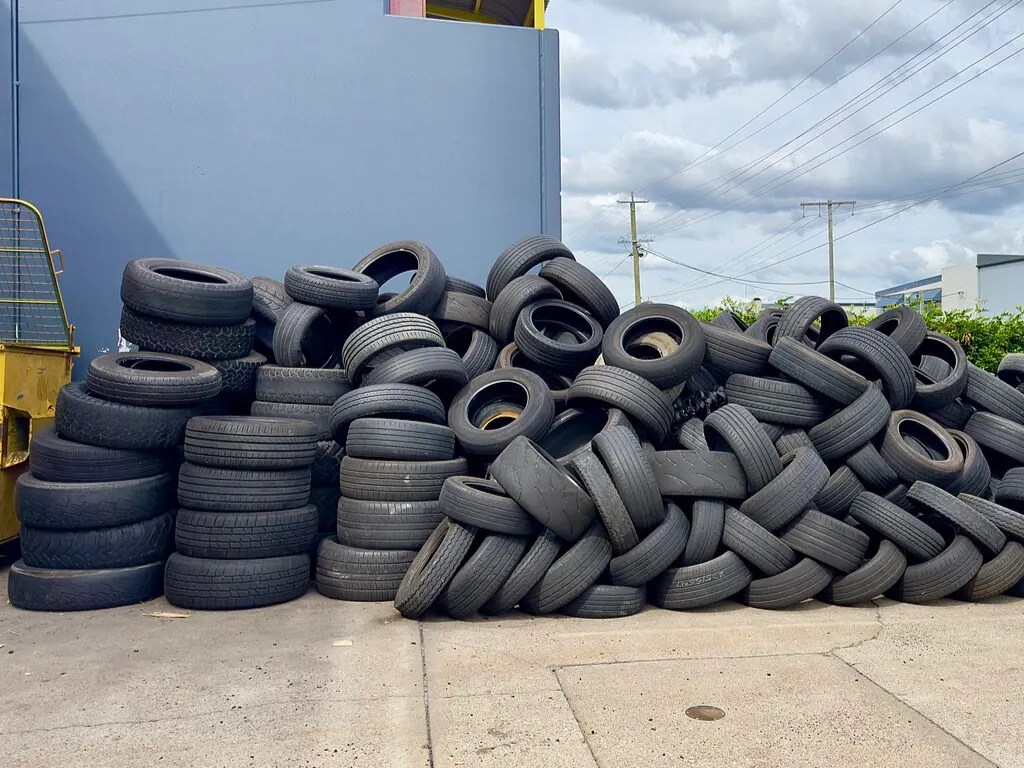
Tire pyrolysis
Breaking down used tires with microwaves, without oxygen and with AI: steel, biochar and oils instead of waste.
- InputUsed tires
- ProcessMicrowave pyrolysis at 550–700 °C
- ProductsSteel, biochar and oils
- Raw material
- Used tires.
- Process
- AI-assisted microwave pyrolysis.
- Products and uses
- Steel wire: recycled steel products such as rebar and fencing. Biochar (biocarbon): soil amendment, greenhouse gas reduction, water filtration. Pyrolysis oils: fuel, or feedstock for lubricants or chemicals.
- Key parameters
- Pyrolysis temperature of 550 to 700 °C; microwave power of 20 to 25 kW; tire feed rate; inert gas flow rate; pressure drop across the equipment; cooling rate; emissions monitoring.
- AI
- Machine learning to predict pyrolysis parameters; data analysis and process validation with artificial neural networks.
- Maturity
- TRL 1–3; TRL 4–7 for the test facility and data collection for AI.
- Location
- Laval (warehouse available).
- 30%energy savings
- 30–35 gof salt per kilogram of seawater
Water and agriculture
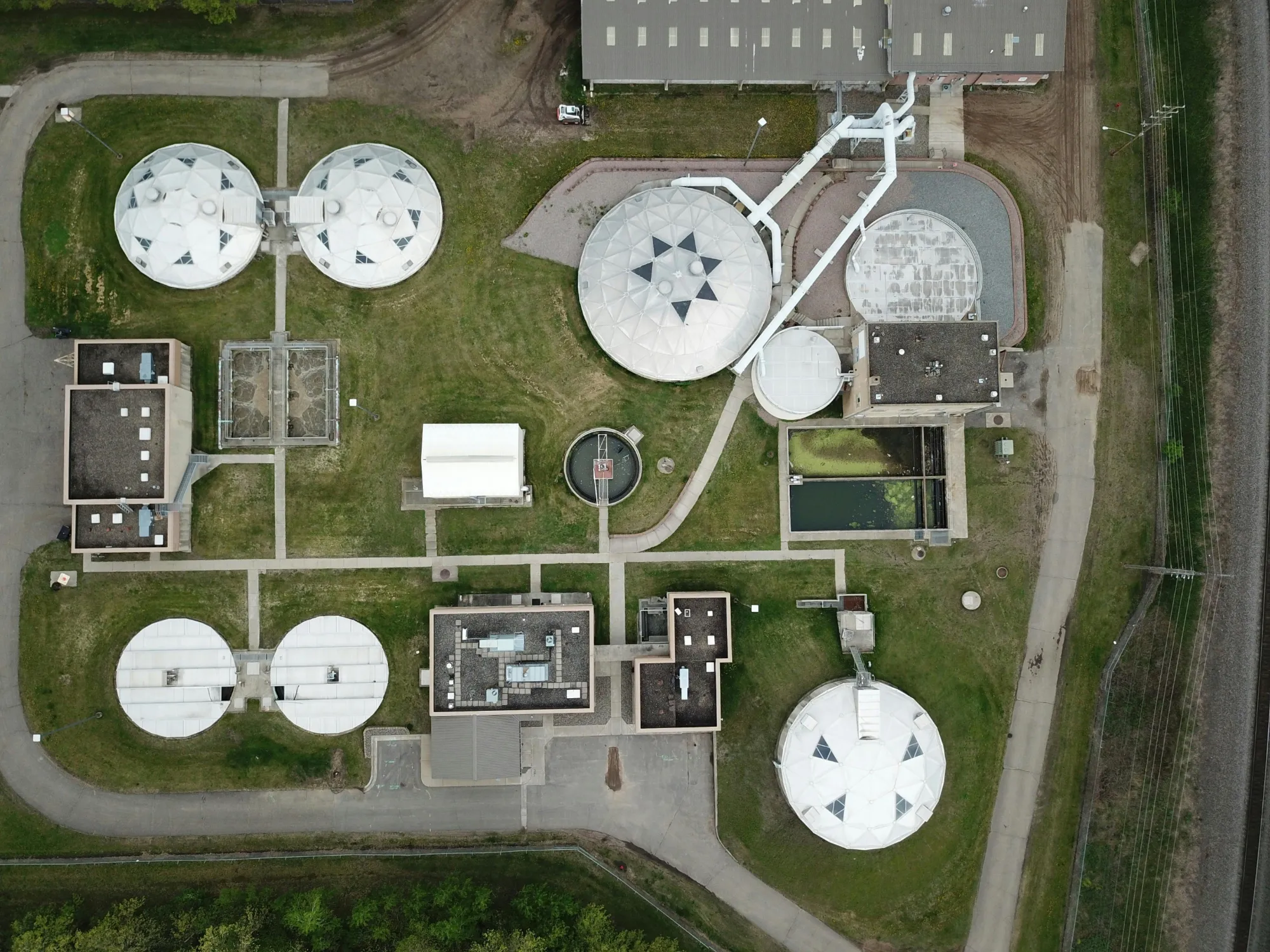
Green water desalination
Desalination is energy-hungry. GreeNRG makes it sustainable with unconventional energy sources (wind and solar photovoltaics) and AI: clean water, produced in line with environmental goals.
- InputSeawater, 30–35 g of salt per kilogram
- ProcessWind- and solar-powered desalination
- ProductDrinking water
- Feed water
- Seawater with 30 to 35 g of salt per kilogram of water; process flow diagrams (PFD) and piping and instrumentation diagrams (P&ID) for green desalination.
- Methods compared
- Reverse osmosis: efficient, modular and less energy-intensive than thermal processes, but membranes need cleaning and high pressure is required. Multi-stage flash (MSF) and multi-effect distillation (MED): large plants, use of waste heat, but energy-intensive. Electrodialysis: low consumption, brackish water. Capacitive deionization: low consumption and eco-friendly, but less efficient at large scale.
- AI
- Data collection and analysis, modeling, classification and training, then automatic plant control; prediction of membrane fouling; Internet of Things sensors and cloud-based parameter monitoring; digital twins for remote operation.
- Applications
- Drinking water production and water purification; ocean decontamination and oil pollution cleanup.
| Hardness (calcium, magnesium) | 80–100 mg/L CaCO₃ |
|---|---|
| Sodium | ≤ 200 mg/L |
| Iron | ≤ 0.3 mg/L |
| Aluminum | < 2.9 mg/L |
| Manganese | ≤ 0.02 mg/L |
| Lead | 0.005 mg/L |
| Free chlorine | 0.04–2 mg/L |
| Nitrate | ≤ 45 mg/L |
| Fluoride | ≤ 1.5 mg/L |
| pH | 7.0–10.5 |
| Temperature | ≤ 15 °C |
- > 99.995%purity with PEM electrolysis
- 79–83%efficiency
- 2 MWmaximum per unit
Green energy
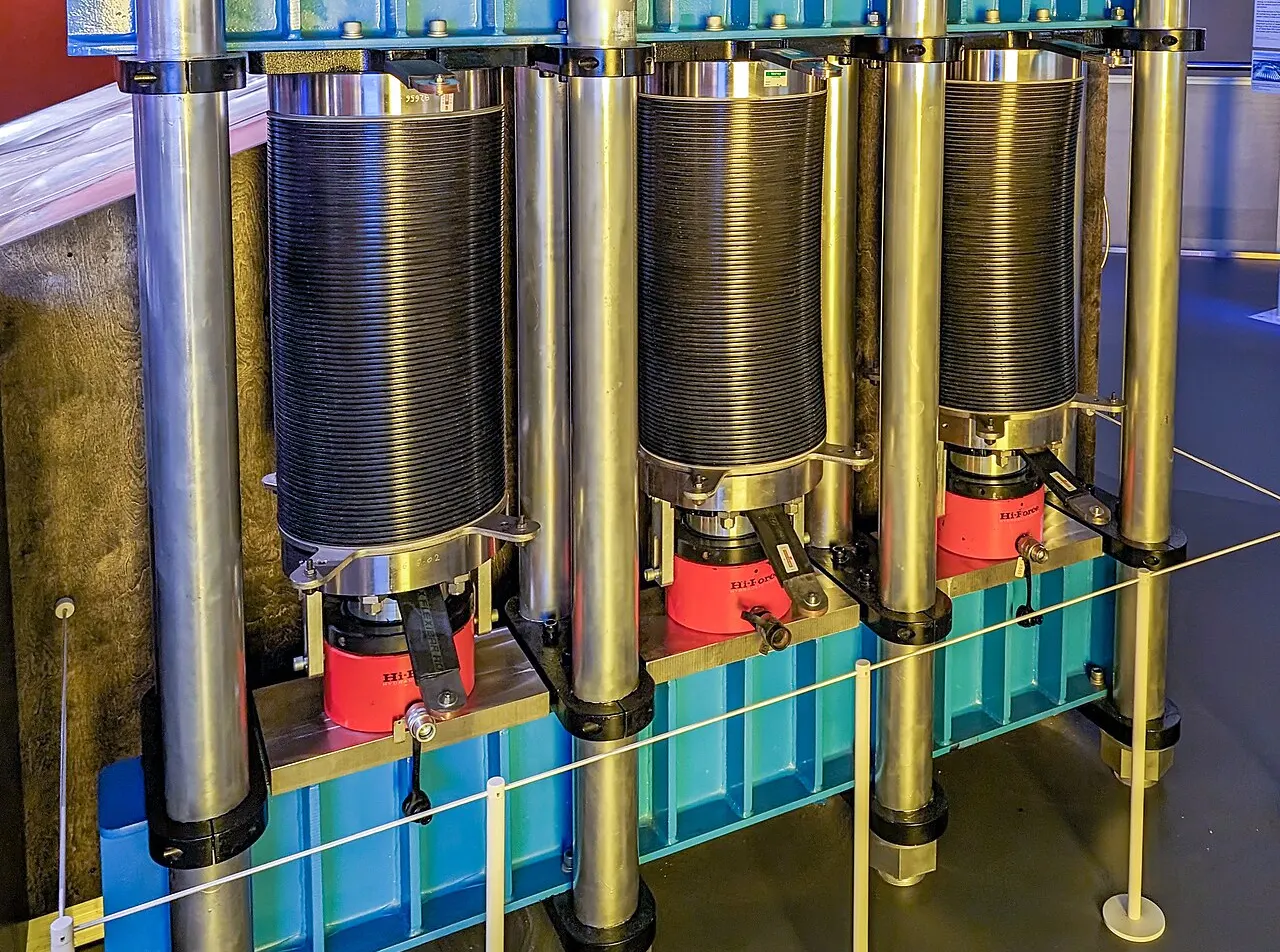
Green hydrogen
Producing hydrogen without drawing heavily on grid electricity: with wind and solar energy, and AI, hydrogen powers its own green energy production.
- InputsWater, wind and sun
- ProcessPEM electrolysis
- ProductHydrogen, purity above 99.995%
- Production routes
- Biomass, solar, wind and hydro; water electrolysis; biochemical or thermochemical conversion; biomass pyrolysis followed by steam reforming, then purification.
- How they compare
- Steam methane reforming: mature, 70–80% efficiency, high emissions. Electrolysis: 2.4 to 3.4 times the cost of reforming, emission-free with clean electricity. Biomass pyrolysis: 35–50% efficiency, 1.24 to 3 times the cost, carbon-neutral with capture.
- PEM electrolysis
- Purity above 99.995%; 30 to 60 bar; current density of 0.8 to 1 A/cm²; 1 kW to 2 MW (up to 66.67 Nm³ of hydrogen per hour per unit); 4.3 to 4.5 kWh/Nm³ (79–83% efficiency); operation from 0 to 100% of rated power; start-up in seconds.
- Safety
- Explosion-proof design to NFPA, ATEX and CSA standards, with zoning (Zones 0, 1 and 2); special flame detectors; fixed and high-level hydrogen detectors, with regular inspection and calibration; stainless steel and composite tanks; nitrogen inerting. Hydrogen autoignites at 560 °C, and as little as 0.02 mJ can ignite it.
- Storage and distribution
- Physical or material-based storage; compressed gas, liquefied hydrogen or liquid carriers; Canadian registration (CRN).
- AI
- Internet of Things sensors (hydrogen concentration, voltage, current), cloud data processing, a digital twin of the plant and an energy management system: PEM electrolyzer, fuel cell, electricity and hydrogen markets.
| Alkaline (AEC) | Membrane (PEM) | Solid oxide (SOEC) | |
|---|---|---|---|
| Electrolyte | Liquid KOH or NaOH | Solid polymer | Solid ceramic |
| Pressure | 2–10 bar | 15–30 bar | under 30 bar |
| Temperature | 60–90 °C | 50–90 °C | 500–1,000 °C |
| Electrical efficiency | 62–82% | 67–84% | about 90% |
| Purity | under 99.9% | over 99.995% | |
| Cost (2019, US$/kW) | 500–1,400 | 800–1,800 | over 2,800 |
| Maturity | Commercial | Commercial | R&D |
Circular economy
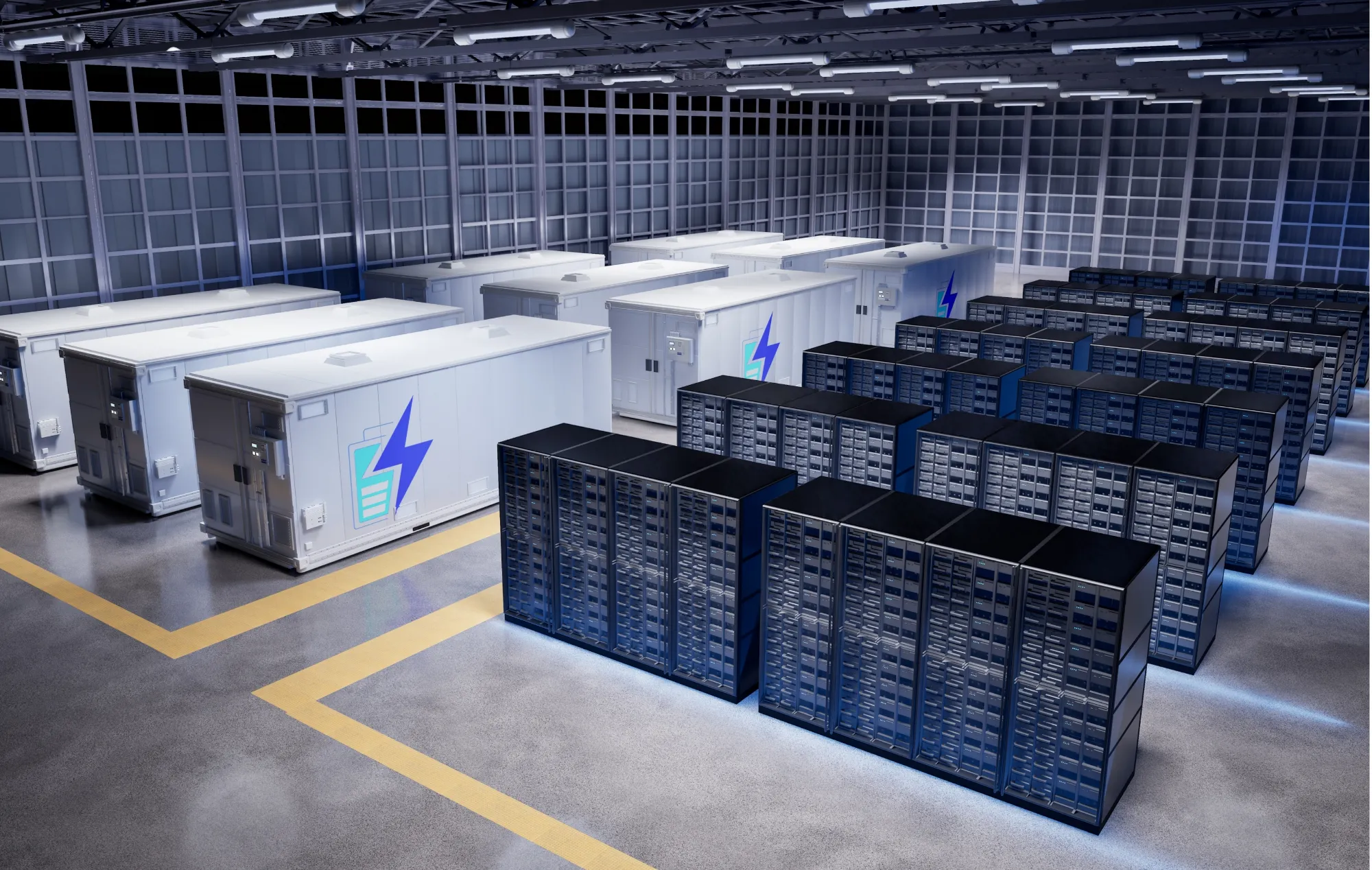
Battery recycling
Recovering spent electric batteries through microwave pyrolysis rather than conventional pyrolysis: purified metals, plastics and energy instead of electronic waste.
- InputSpent batteries
- ProcessMicrowave pyrolysis
- ProductsMetals, plastics and energy
- The issue
- Global production of electrical and electronic waste grows every year.
- Process
- Microwave pyrolysis of electric batteries, compared with conventional pyrolysis; a battery pyrolysis process designed by GreeNRG.
- Products
- Purified metals brought to market; plastics turned into bioplastics; fuel oils and gases.
GreeNRG · Waste management
OTE-CBRN: removing harmful waste.
“Ôter” is French for “remove”: removing from the planet the waste that threatens it, long buried in the ground, a practice now banned in many countries. And turning it into useful products.
- OOil and gas
- TTires
- EElectric batteries
- CChemical
- BBiologics
- RRadiological
- NNuclear
OTE: oil, tires, electric batteriesCBRN: chemical, biological, radiological, nuclear
From waste to value-added products
- Pharmaceutical
Chemical and biological waste becomes compounds useful to the pharmaceutical industry.
- Energy
Tire and oil waste becomes industrial oils and fuel gas.
- Bioplastics
Plastics from batteries and other sources become durable bioplastics.
- Metals
Metals from batteries and other waste are purified and brought to market.
In their words
Turning waste into value.
I’d like to express our sincere gratitude for the excellent service your business provided in connection with our project for waste recycling and valorization. Your team’s expertise, dedication, and seamless collaboration have been invaluable to the successful execution of our project. Your company’s ability to understand the intricacies of our patented technology and apply it effectively in the project context demonstrated a high level of professionalism and competency. Your commitment to quality and adherence to project timelines were impressive, ensuring that the project progressed smoothly and efficiently. Your team’s problem-solving skills approach helped us overcome challenges and achieve our project goals. We look forward to the possibility of collaborating with PBE Expert Inc.
Interview: waste and zero carbon
We’re deeply committed to everything to do with sustainable development, the rational use of energy and the recycling of waste, which we turn into value-added products and energy. It’s in our DNA.
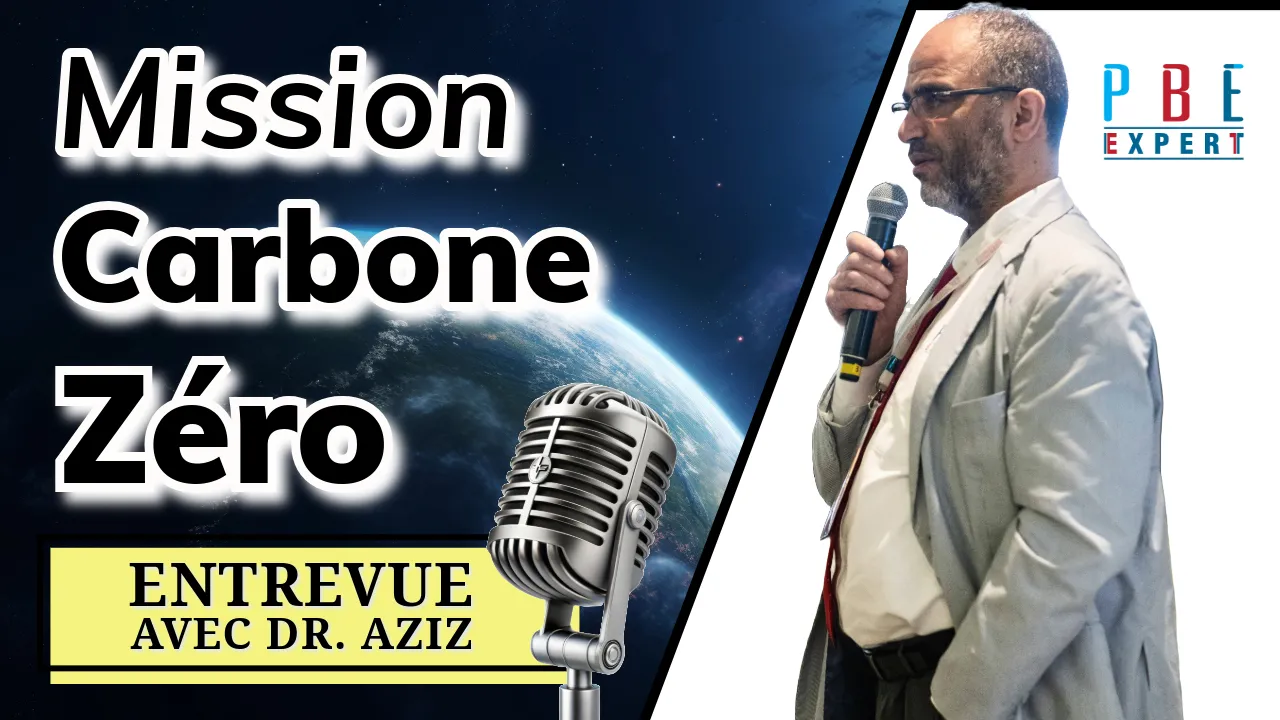 Watch the interview · 2:39
In their words
Recognized for this expertise.
 Reduce before you recycle
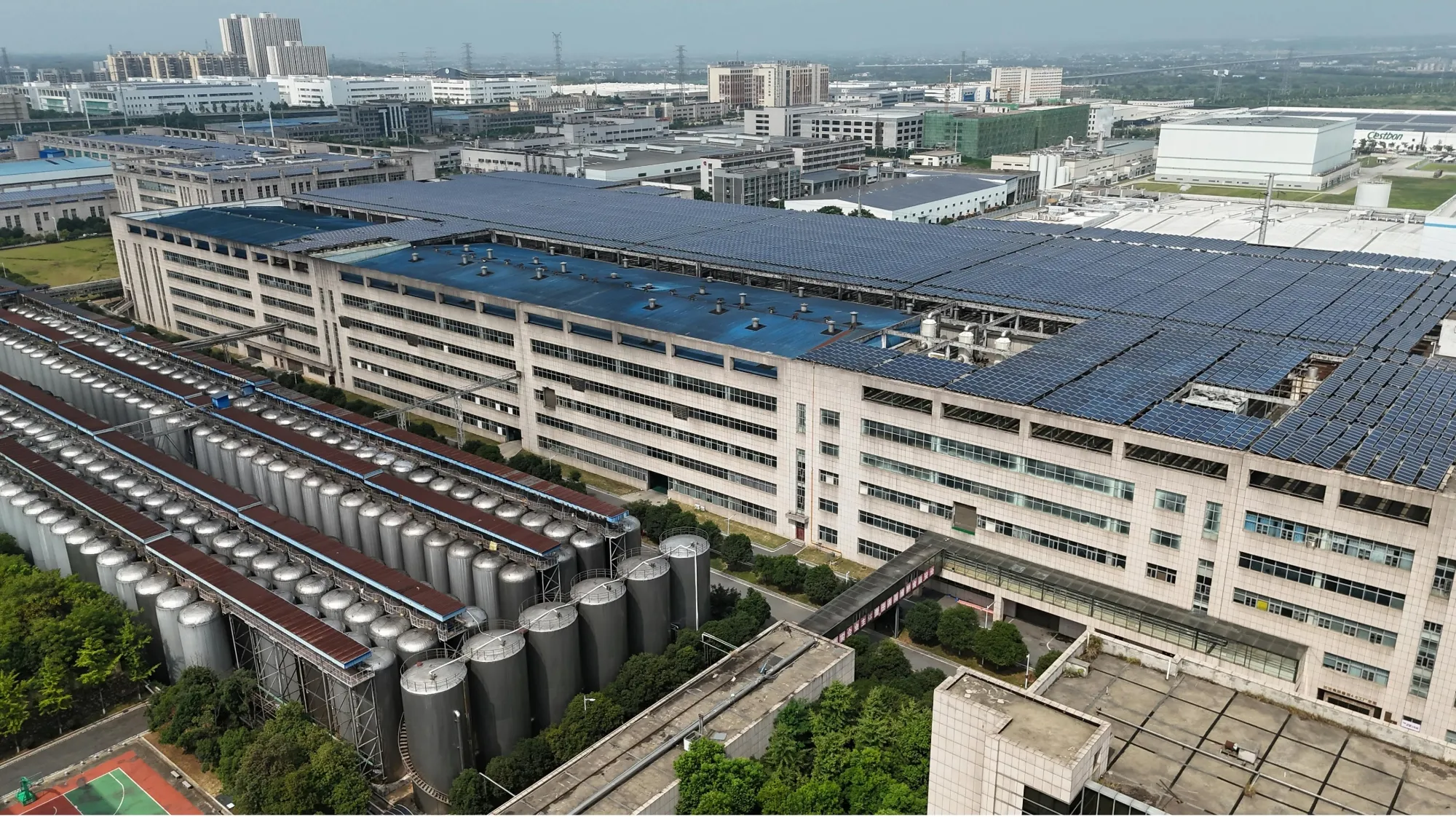 Solar panels and data centers
Have an idea?
Let’s make it happen together.
Battery recycling, renewable energy or a leaner process: from concept to implementation, we bring the technical expertise and the resources.
Client
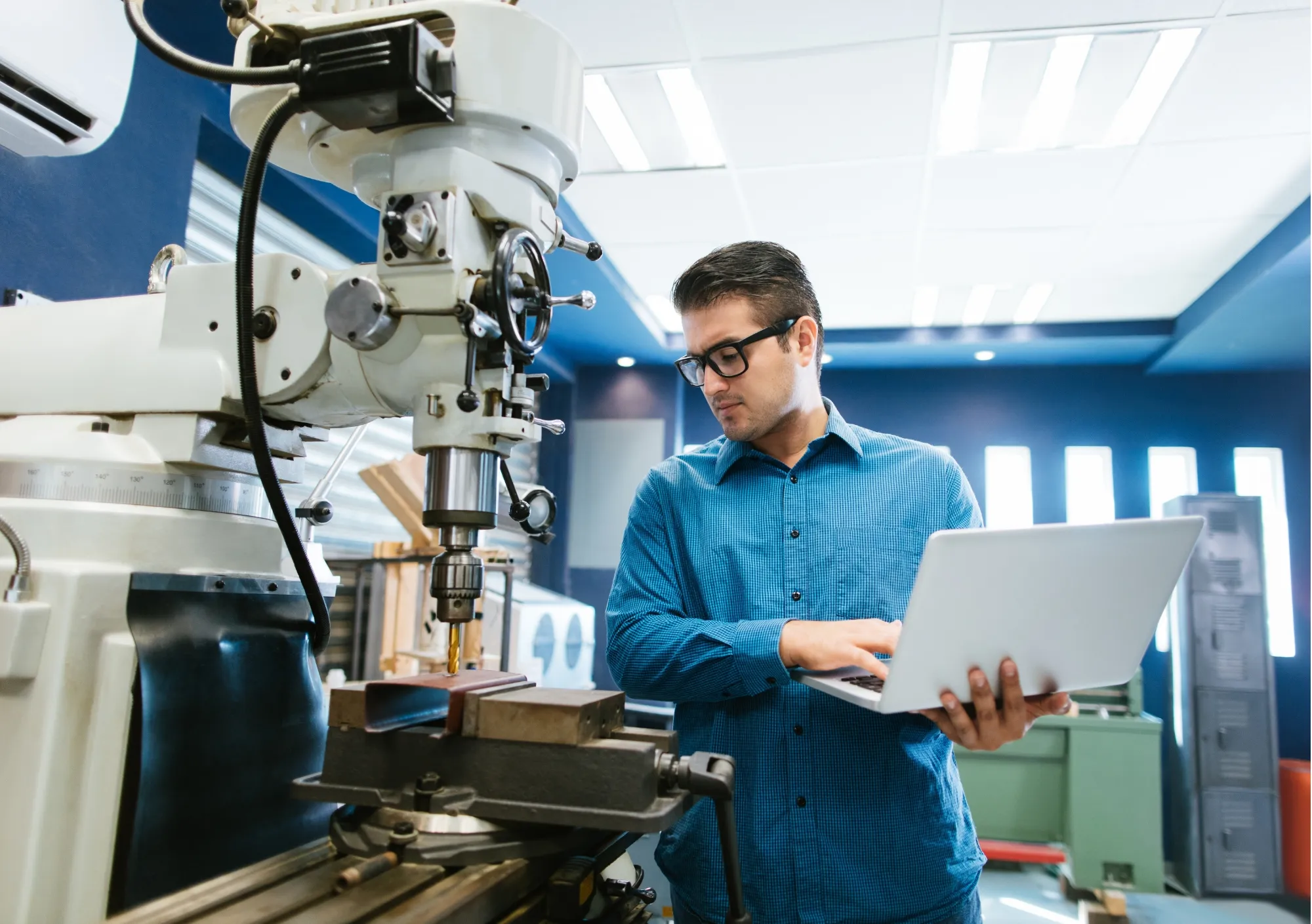
Develop and commercialize your technology, taking it from lab to market, or make your facility use less.
Investor
Finance the scale-up of green solutions to industrial scale.
Strategic partner
Contribute to development, scale-up and commercialization.
Industry expert
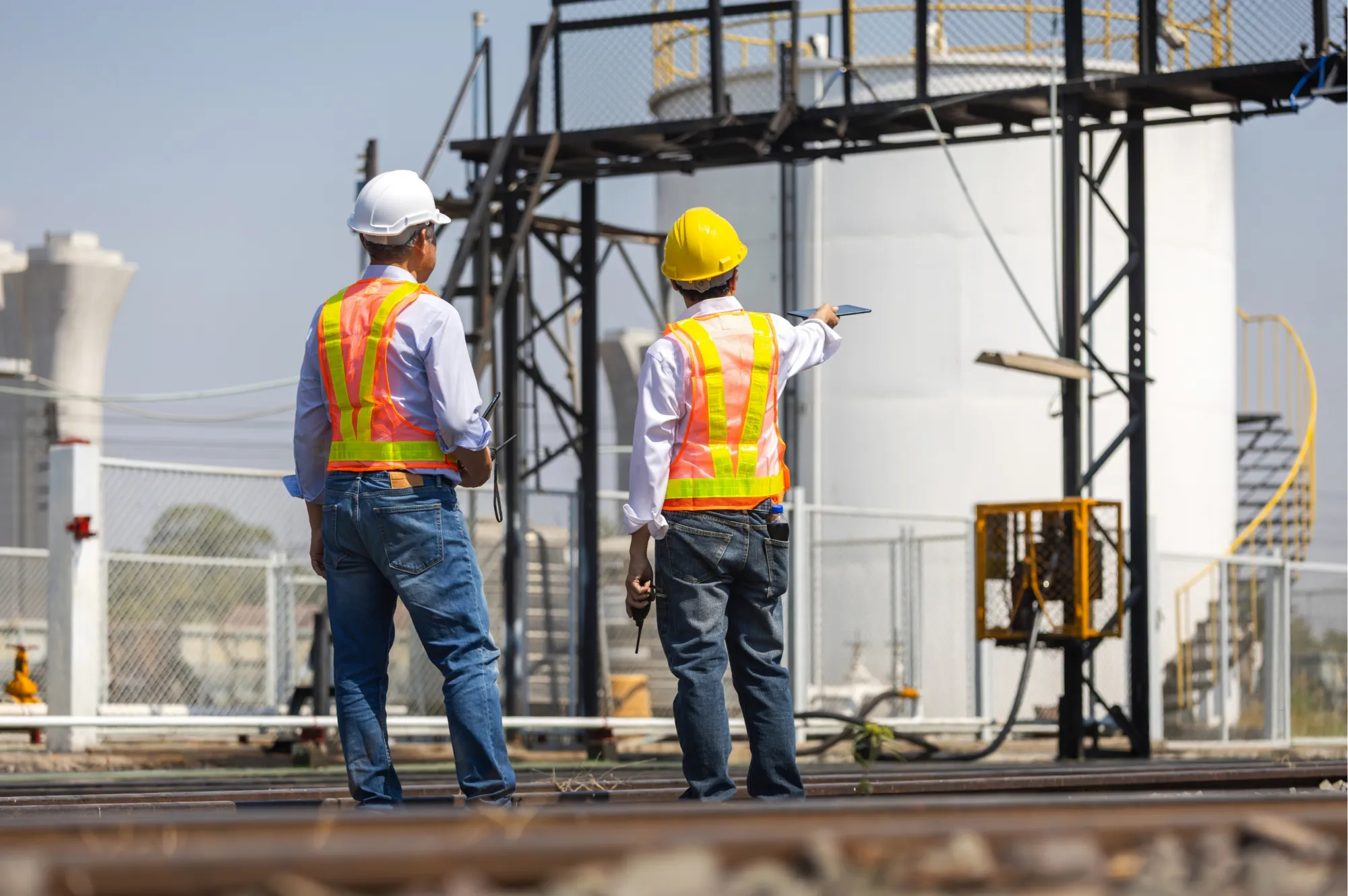
Develop, test and commercialize green technologies with us.